
Affiliate Disclosure: This article contains an affiliate link. If you choose to purchase through it, I may earn a small commission at no extra cost to you. I only recommend resources I believe can genuinely support your journey of self-discovery.
Have you ever looked up at a clear night sky and wondered if those scattered points of light had anything to do with who you are? For thousands of years, people across nearly every culture have asked the same question. Today, astrology is experiencing a massive resurgence — not as a replacement for science or personal responsibility, but as a tool for reflection, self-awareness, and conversation starters about the things that make us human.
In this guide, we’ll explore “the truth in your stars” from a grounded, honest perspective: what your birth chart can realistically offer, how to interpret it without taking it too literally, and how thousands of people use astrology as a lens for personal growth rather than a crystal ball for the future.
What Is a Birth Chart, Exactly?
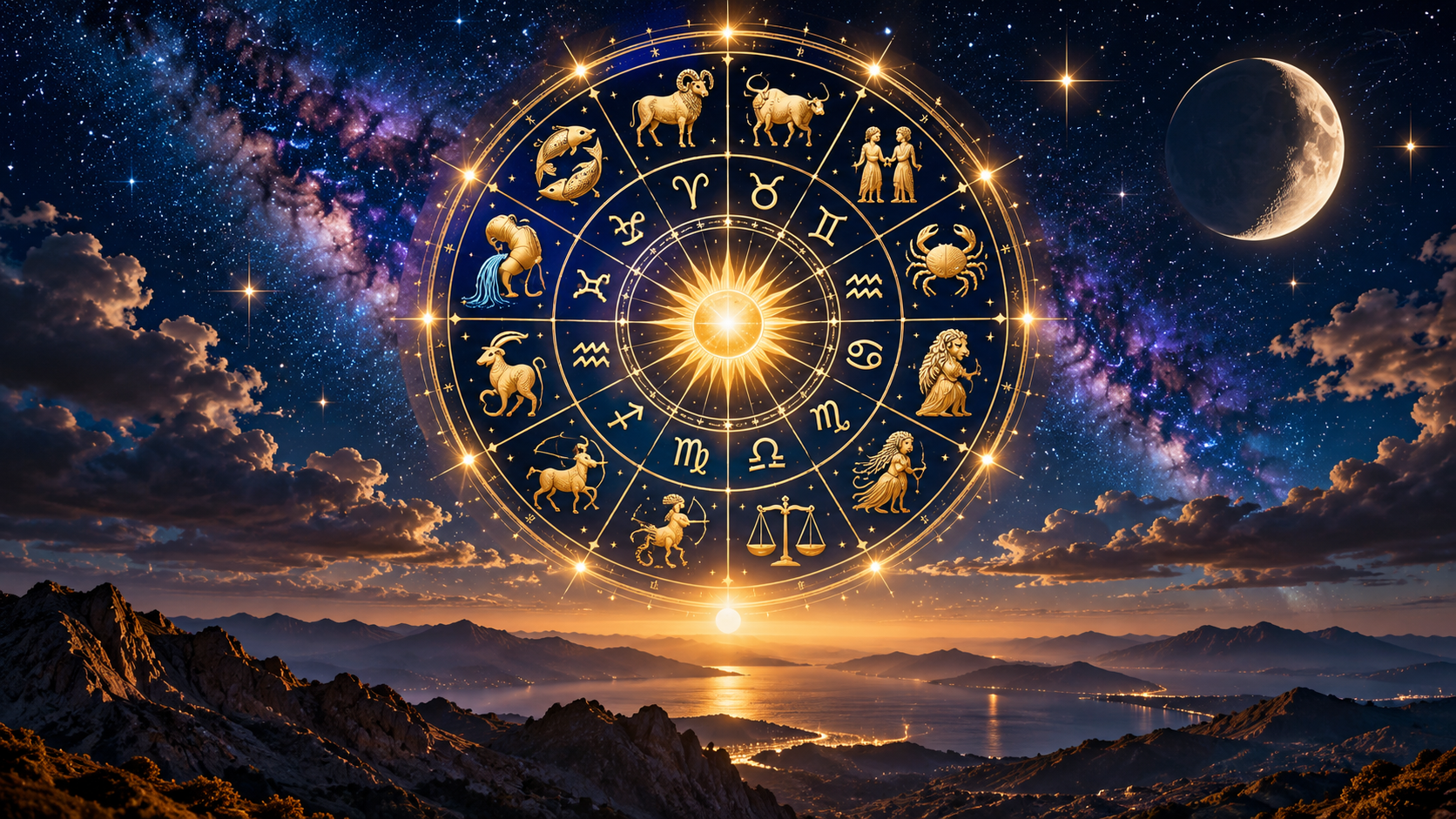
A birth chart (also called a natal chart) is a snapshot of where the sun, moon, and planets were positioned at the exact moment and location of your birth. Astrologers map these positions onto the twelve zodiac signs and twelve “houses,” creating a personalized diagram that’s unique to you — much like a fingerprint.
The Three Core Pillars: Sun, Moon, and Rising Sign
Most beginners start with what’s often called the “Big Three”:
- Sun Sign — Represents your core identity, ego, and the general personality traits people associate with your zodiac sign.
- Moon Sign — Reflects your emotional world, instincts, and what makes you feel secure.
- Rising Sign (Ascendant) — Shapes how others perceive you and the “mask” you present to the world.
Understanding these three placements gives you a far more nuanced picture than your sun sign alone, which is why so many astrology newcomers find a full chart reading more insightful than a daily horoscope.
Houses, Planets, and Aspects
Beyond the Big Three, a complete chart includes ten planetary bodies, twelve houses (each governing a life area like career, relationships, or home), and “aspects” — the geometric angles between planets that astrologers interpret as tension, harmony, or growth opportunities. This is where readings become genuinely detailed and, for many people, strikingly specific.
Why People Turn to Astrology for Self-Reflection
Astrology’s lasting appeal isn’t really about predicting lottery numbers or guaranteed life events. It’s about language — a symbolic vocabulary that helps people articulate feelings, patterns, and questions they might not otherwise have words for.
A Mirror, Not a Map
Think of a birth chart less like a GPS telling you exactly where to go, and more like a mirror that reflects tendencies, strengths, and blind spots back at you. When a reading describes a pattern you recognize in yourself — say, a tendency to overthink decisions or a deep need for independence — it can prompt valuable self-reflection, even if the planets themselves aren’t literally causing that trait.
A Tool for Conversation and Connection
Compatibility readings (synastry) are popular not because they guarantee relationship success or failure, but because they give couples, friends, and family members a shared framework to discuss communication styles, emotional needs, and potential friction points. Many people find this exercise clarifying, regardless of whether they consider astrology “real” in a scientific sense.
Common Myths About Astrological Readings
Myth: Your Sun Sign Explains Everything
Horoscope columns based on sun sign alone are a massive oversimplification. A detailed reading that accounts for your moon, rising sign, houses, and aspects will almost always feel more accurate and personal than a one-size-fits-all daily horoscope.
Myth: Astrology Can Predict Exact Future Events
This is the most important myth to address directly. Astrology, as presented in this article and in any reputable reading, is not a guaranteed forecast of future events. No chart, reading, or report can tell you with certainty when you’ll get married, how much money you’ll earn, or what will happen next Tuesday. Responsible astrology speaks in terms of tendencies, themes, and possibilities — not certainties.
Myth: If It’s Not 100% Accurate, It’s Useless
Plenty of tools we use for personal growth — journaling prompts, personality tests, even fortune cookies — aren’t “scientifically proven,” yet people still find value in the reflection they inspire. Astrology can occupy that same space: entertaining, thought-provoking, and occasionally insightful, without needing to be a hard science to be worthwhile.
How to Approach Your Own Reading Responsibly
Use It for Reflection, Not Life-Altering Decisions
Enjoy your reading as a starting point for self-exploration. Notice what resonates, question what doesn’t, and avoid making major financial, medical, or relationship decisions based solely on an astrological reading.
Combine It With Self-Awareness
The most meaningful insights usually come from pairing a reading with your own honest reflection. Ask yourself: does this description genuinely match patterns I’ve noticed in my life? Treating the chart as a conversation starter, rather than an absolute verdict, tends to produce the most balanced and healthy experience.
Choose Reputable, Detailed Resources
Not all astrology content is created equal. Generic, mass-produced horoscopes tend to be vague by design. If you want a deeper, more personalized experience, look for resources that generate detailed reports based on your exact birth date, time, and location rather than your sun sign alone.
Want a Deeper, Personalized Look at Your Chart?
If this article sparked your curiosity about what a full, personalized astrological report might reveal about your personality, relationships, or life themes, you can explore a detailed reading designed around your unique birth details.
✨ Discover Your Personalized Astrology Reading ✨
Remember: this is offered as a tool for reflection and entertainment, not a guaranteed prediction of your future.
Final Thoughts: Stars as a Starting Point, Not a Destination
The truth in your stars isn’t about fate being sealed the moment you’re born. It’s about having a rich, symbolic language to explore who you are, how you relate to others, and what themes might be worth paying attention to in your life. Used thoughtfully — as a mirror rather than a map — astrology can be a genuinely enjoyable and occasionally illuminating part of your personal growth toolkit.
Whatever you decide, the most important truth is this: you are always the author of your own story. The stars might offer interesting questions, but you hold the pen.
